

Why Choose Us?
Quality control
For each process,we have strict inspection standards,and we always insist that quality is life.
One-stop solution
With rich experience and one-to-one service,we can help you choose products and answer technical questions.
Competitive price
We have a professional purchasing team and costing team,trying to reduce costs and profits,and provide you with a good price.
24h online service
You can contact us to inquire about pre-sales, sales, and after-sales services, and we will give you a very satisfactoryWe are at your service online 24 hours a day.
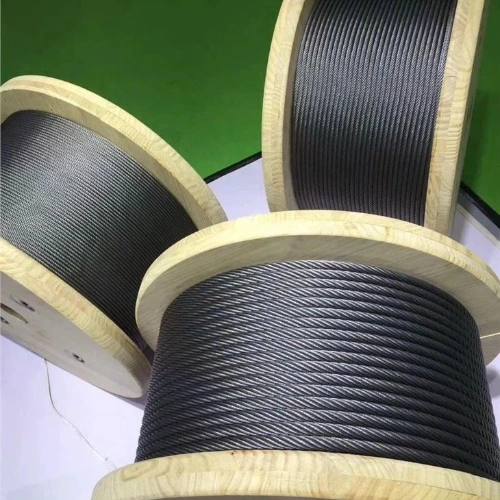
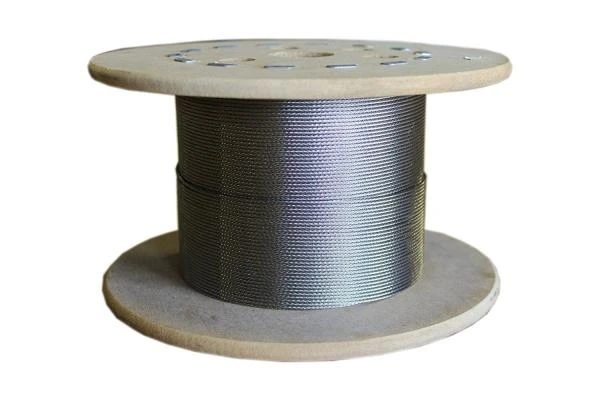
What is Stainless Steel Cable?
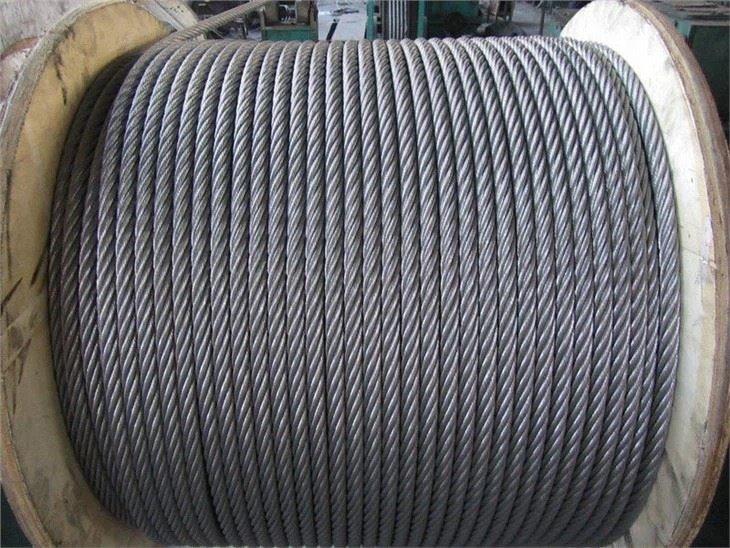
Stainless steel cable is a robust and hardwearing material that can be used in a wide variety of projects that need a practical solution. It's more than that however. The main benefit of stainless steel wire rope over galvanized steel or bright steel is its added corrosion resistance. This characteristic makes stainless steel perfect for high moisture and acidic environments, such as in marine rigging applications or job sites with harsh chemicals like chlorine.




Advantages of Stainless Steel Cable
Durable
One of the best benefits of using steel cables is because of how durable they are. If you purchase ones that are made out of true stainless steel, they're not going to break anytime soon. Even if you accidentally knock into it with something heavy, you most likely won't see any signs of damages on the steel cable. However, if you had a different material, like wood, you'd notice a dent in it and then have to replace it. People choose steel cables because they're built to last a long time, no matter what happens. Because of this, it's also great because it can withstand extreme weather.
Strength
When you buy the best steel cable, you'll also be able to trust that it has incredible strength. Even if it's used in extremely cold or hot climates, it will still hold up. That's why many people use it as railing systems so that they can have it hold up in case someone leans against it too far.
People also use it as a trellis system to let plants grow vertically. Not only is it strong enough to hold the plants, but it also is great for the environment!
Aesthetics
Many homeowners who are going for a more modern, sleek, or minimalist look in their house install steel cables because of how clean they look. They are a very stylish and unique design that you won't see in a lot of homes. This can go well inside the home, especially as a railing for the stairs or a second floor. However, there are many more uses for it outside as well.
Resistance to Corrosion
When you use any other material for your cables, you may be subjecting it to corrosion. However, stainless steel is resistant to corroding. Keep in mind that when you do maintenance on it, you should never use any products that contain chloride. This will damage the integrity, making it more likely to take hits and get dings in it. You also shouldn't use hard water to clean it because it can lean spots or brown stains.
Affordable
If you're on a tight budget, stainless steel wire may actually be your best bet. Many people assume that because of its strength and aesthetics it would cost more, but it's actually more cost-effective than cables made out of other materials like tungsten. While tungsten looks nice, it doesn't last as long, requires more maintenance, isn't as easy to use or find as stainless steel is.
Add Value to Your Home
If you are adding stainless steel cables into a home, they can actually increase the value of the home as well if they are mounted correctly.
When they are installed correctly, they'll be able to last for years without corroding. Since it is becoming such a popular trend and boosts the aesthetics, many potential buyers would be willing to spend more on a house with steel wire.
Easy to Use
When stainless steel is made, they normally have a nitinol core. This core actually makes the stainless steel really easy to use. Nitinol is a memory alloy, so it can remember the shape that it was in, sort of like memory foam. Because of this, it's easy to use and install in different projects because it remembers the shape that it's supposed to be.
Application of Stainless Steel Cable
In the construction industry, stainless steel cable is used in various applications, such as suspending scaffolding systems, anchoring buildings, and hoisting and lifting heavy loads. Stainless steel cable rope is also used in bridge construction, where the highest tensile strength and durability are required. Its ability to resist corrosion in harsh environments makes it ideal for coastal bridge construction.
Stainless steel cable is a popular material in the mining industry due to its exceptional durability and resistance to rust and corrosion. It's used for hoisting equipment, as a load-carrying cable in elevators and cable cars, and for slope stabilization and emergency support. Stainless steel cable is perfect for mines in harsh environments such as the Arctic or desert, where exposure to moisture, sand, or chemicals can significantly degrade other wires.
In the marine industry, stainless steel cable is the go-to material for all lifting, mooring, and towing operations. Its anti-corrosive properties make it resistant to saltwater and other harsh marine environments, making it the material of choice for shipbuilding and offshore oil rigs. Stainless steel cables are used in various maritime applications, such as hoisting cargo, hoisting personnel, and winching.
In the oil and gas industry, stainless steel wire rope is often used in drilling applications due to its high tensile strength and resistance to rust and corrosion. It's also used in production as an important component in downhole tools. Stainless steel cable is also used for mooring, towlines, and working lines in offshore operations.
In the aviation industry, stainless steel cable is used for various applications, such as control, parachute, and safety cables. The aerospace industry uses this material for the aircraft cable assemblies needed for aeroplanes. Stainless steel cables are lightweight, strong, and durable, making them the ideal material for these applications that require high strength and reliability.
Without understanding the chemical composition of stainless steel, one may not be prepared for the material's behavior during cutting operations. So, before we discuss methods used to cut stainless steel cable, one must understand the fundamental physical manner of stainless steel cable.
304 stainless steel, among the most common grades used in the production of stainless steel cable, is made up of approximately 72% iron (Fe), 18% chromium (Cr), and 8% nickel, among other elements in smaller percentages. What gives stainless steel cable its naturally springy disposition is the presence of chromium and to a lesser degree, nickel. Chromium possesses a high elastic modulus, meaning it's naturally pliant, let's say, like a rubber band. Pulling on a rubber band just enough to change its natural resting geometry, doesn't change its natural form once the pulling stops. Similarly, contorting miniature stainless steel cable results in the same outcome: a stainless steel cable that returns to its manufactured geometry. Nickel also has a high elastic modulus. Combined, the chromium and nickel content of stainless steel cable makes it both incredibly strong, but also as notable, exceptionally pliable too.
Cutting cable that behaves in such a geometrically restorative manner means the wires twisted into their helical orientation are at risk of separating when cut. For this reason, using a hand tool, without taking additional manufacturing steps before cutting, will likely result in destroyed stainless steel cable. And setting aside the disappointment it would be to destroy cable by using inappropriate cutting methods, the cost of the cable itself is reason enough to ensure the proper pre-cutting steps are executed.
How to Cut Stainless Steel Cable
Cutting Stainless Steel Cable with a Hand Cutter
Ironically, both hand-cutting and fuse-cutting stainless steel cable generally adhere to the same basic principles of physics.
Extreme heat, for instance, is required to fuse cut stainless steel cable. Likewise, if the operator seeks to avoid fraying of wires at the cut end, cutting the same cable by hand requires heat as well. But in the case of fuse cutting, also sometimes called electrocutting, the concentrated burst of electricity that passes through the cable produces enough heat to soften the cut wires enough to fuse them together as the simultaneous cut is being made.
Fuse Cutting Stainless Steel Cable
The fuse cutting method is the preferred way to cut stainless steel cable.
A fuse cutter passes a short, controlled burst of electrical current directly through the cable, which instantaneously cuts the cable and fuses the wires at the cut end together using the molten cable material the electrical heat produced. This operation is typically conducted by a mechanical cable manufacturer.
Mechanically Cutting Stainless Steel Cable
Somewhat less ideal than fuse cutting, but still well suited to cutting stainless steel cable, is mechanical cutting. Like a hand cutter, blades are used to pass through the cable, severing it instantly. Powered by pneumatic or hydraulic energy, mechanical cutting is done using an industrial cutting machine that applies massive forces to the blades as they pass through the cable. In some cases, the forces required to cut miniature stainless steel cable, measured against the forces that human hands produce, may be too far apart to achieve the desired cutting outcome.
The Difference Between Galvanised and Stainless-Steel Cable
Galvanised steel and stainless steel wire rope are the two most popular materials for steel rope. From fine wire cables to robust crane ropes, each type delivers a variety of advantages. To better understand the strength, durability and safety wire ropes provide, we've detailed the main differences between galvanised and stainless steel below.
Stainless Steel
Ideal for a wide range of applications, stainless steel wire ropes combines superb strength with a long lifespan - under the most extreme conditions. Stainless steel also provides high corrosion resistance as it's treated with chromium, meaning even in the offshore sector, where harmful, salty conditions are present. The inclusion of chromium also plays a vital role in making stainless steel a great choice with fire resistance and fire prevention in mind. Overall, stainless steel provides a high level of resistance to general corrosion and can offer safe operation in both wet and dry conditions.
Galvanised Steel Cable
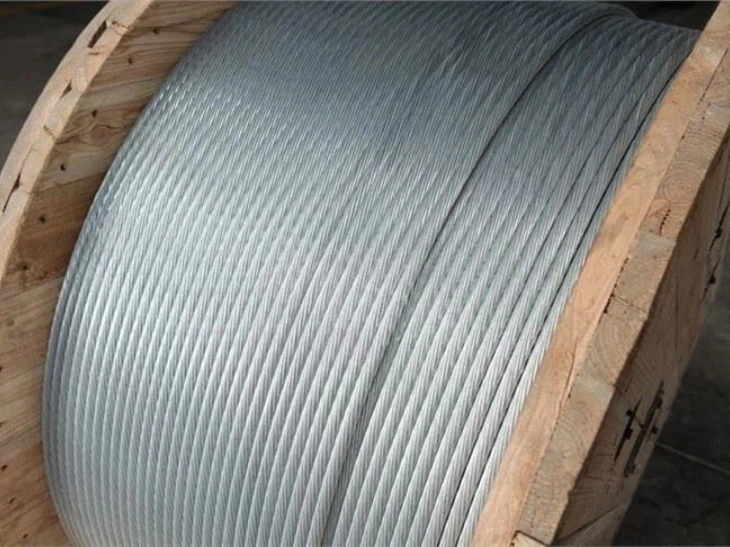
Galvanised steel has been dipped in a zinc coating, delivering good corrosion-resistant qualities. That said, galvanised steel rope is weaker and more cost-effective because it does not include chromium. For example, in harsh, wet and salty marine conditions, the galvanised cable will rust, whilst it's trickier to weld galvanised steel. Galvanised steel cable is often found in industrial applications, however, once the protective zinc coating has worn away, rust will come into play and give the user a good indication of the quality, condition and age of the wire rope. Also known as 'hot dipped' wire ropes, galvanised steel is most common in working environments where fire is present or high levels of humidity or moisture, that may lead to rust.
While both types of steel have a similar appearance, it can be difficult to tell them apart just by looking. However, there are several approaches to determining the two:
Touch
Try to scratch the surface of the cable with a sharp object; stainless steel will have a smooth, shiny finish, whereas galvanised steel will be rougher to the touch.
Magnet
Another way to determine the cable type is to use a magnet. If the cable is made from galvanised steel, it will be attracted to the magnet. Stainless steel is non-magnetic and will not be affected by magnets.
Colour
Most stainless cables will be silver, while galvanised cables will be dull grey.
Weight
Stainless steel is heavier than galvanised, so if the cable feels unusually light, it could indicate it is galvanised.
Visible signs of corrosion
Another approach is to check for corrosion spots or rust on the cable, indicating that it is galvanised and not stainless. Be sure to look closely, as galvanised steel may still have a shiny appearance even when corroding.

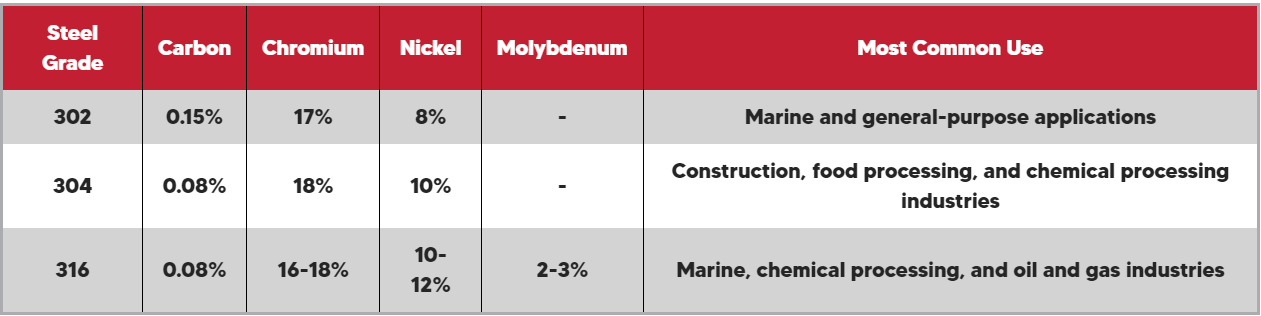
If you have ever worked with stainless steel cable, you have probably used either 304 or 316. Both are corrosion-resistant steels that are commonly used in the marine industry. However, there are differences between the two grades.
One difference between these two stainless steel grades is the amount of molybdenum. Molybdenum is useful for hardening and strengthening steel. It is also very effective in the fight against corrosion.
Both grades 304 and 316 are austenitic stainless steel. This type of steel is known for its durability and tensile strength. These grades are commonly used in a wide range of applications. They are easy to weld and are recyclable materials.
Compared to 316, 304 stainless steel has a higher carbon content. This allows it to be more flexible. 304 is also easier to form. Although it is more corrosion-resistant than 316, it can be prone to pitting corrosion.
Type 304 stainless steel is a common material for use in cable. Although it has less strength than the 316 grade, it still provides excellent corrosion resistance. This is because it contains 18% chromium and 2% molybdenum, which are strong corrosion inhibitors.
Stainless Steel Cable Chemical Composition Chart
Stainles steel wire is produced by drawing molten steel through a series of dies that reduce its size to the desired diameter and increase its strength. As the steel is drawn through the dies, the steel gets smaller and smaller by the hammering operation of the dies. The wire is then treated again with extreme heat to make it even stronger and slowly cooled. This wire drawing process causes the carbon contained in the steel to crystalize, which results in the wire meeting a defined factor of safety or break strength. From there, a surface treatment may be undertaken, which may include a galvanization process, whereby zinc is applied to the steel to make it corrosion-resistant. If not galvanized steel, other protective layers may be applied to the wire's surface, such as chromium, in stainless steel cable examples, which provides the wire with a layer of added resistance to damaging oxidation. Once the steel wire's strength and integrity have been thoroughly quality inspected and tested, the wire is ready for the stranding process.
What Makes Stainless Steel Cable The Material Of Choice For Artistic Fabrication?
The exclusive use of the stainless steel cables in areas that experience harsh climatic conditions is a living testimony of its ability to withstand corrosion.
Strength
Stainless Steel has high tensile strength and excellent fatigue properties. It is suitable in hot and cold climates which makes it suitable in just about any environment. An example would be a green facade. Welded wire mesh is a versatile industrial product that can be fabricated into a trellis system to allow vine plants to grow vertically on it and cover your building. The ecological and physiological benefits of such green facade is a well-documented domain. Modern steel manipulation techniques mean that stainless steels can be cut, welded, formed, and fabricated as readily as traditional steels and other materials.
Grade
There are a variety of different grades of stainless steel based on their content of alloying elements as well as their mechanical properties and corrosion resistance, which can be exploited by the engineer and architect. Environmental factors need to be considered when choosing the grade of the stainless steel as this will impact its performance, durability and endurance in the environment where it will reside. There are methods to classify environmental factors which allow a grade to be chosen in any precise application.
Ease of Fabrication
Modern steel manipulation methods mean that stainless steel can be cut, welded, formed, and fabricated easily. The flexibility of stainless steel cables, wires, and trellises means you can create just about anything into any shape or size.
Surface finishing
It is hardly known that the surface finishing of stainless steel has a similarly important role in defining the corrosion resistance. A disappointing performance of stainless steel can be a result of a poor quality polished finishing. Stainless steel is also easy to keep clean and which makes is cost efficient and hygienic, especially if used in children's playgrounds.
Our Certifications


Shenzhen Liying Hardware Building Materials Co., Ltd. is located at the intersection of the roads between the beautiful Futian District of Shenzhen and the Hong Kong Special Administrative Region, with unique location and environmental advantages. The company was founded in 2020. After years of development, the company has total assets of hundreds of millions of yuan, with import and export trade as the main business, the company strives to become a global supply chain management integrated service provider, has a large number of professionals, involved in six series of products, the main product is metal wire, rope and its extension products manufacturing, annual sales capacity of 400,000 tons.

Ultimate FAQ Guide to Stainless Steel Cable
Q: What is the difference between 304 and 316 stainless steel cable?
Q: What is the difference between t304 and t316 cable?
Q: What are the classification of stainless steel wires?
Q: Why 316 is better than 304?
Q: Which is stronger 316 or 304 stainless steel?
Q: What is the difference between t316 and 316L?
Q: Is t316 stainless steel good?
Q: What are the 5 groups of stainless steel?
Q: What is the strongest grade of stainless steel?
Q: What is the most expensive type of stainless steel?
Q: How do you read stainless steel grades?
Q: What is another name for stainless steel?
Q: What is the weakest stainless steel?
Q: What is stronger than stainless steel?
Q: Is 301 stainless steel better than 316?
Q: Which is better 304 or 400 stainless steel?
Q: What does L stand for in stainless steel?
Q: How can I tell if my stainless steel is 304 or 202?
Q: Is 304 or 316 stainless steel cheaper?
Q: What is non stainless steel called?
Q: What is the best version of stainless steel?
Hot Tags: stainless steel cable, China stainless steel cable manufacturers, suppliers, factory, replacing galvanized plumbing with pex, Green PVC Coated Galvanized Wire, heating galvanized pipe, Alluminum Galvanized Steel Wire, Steel Galvanized Pipe Round SMLS, PVC COATED GALVANISED IRON WIRE


